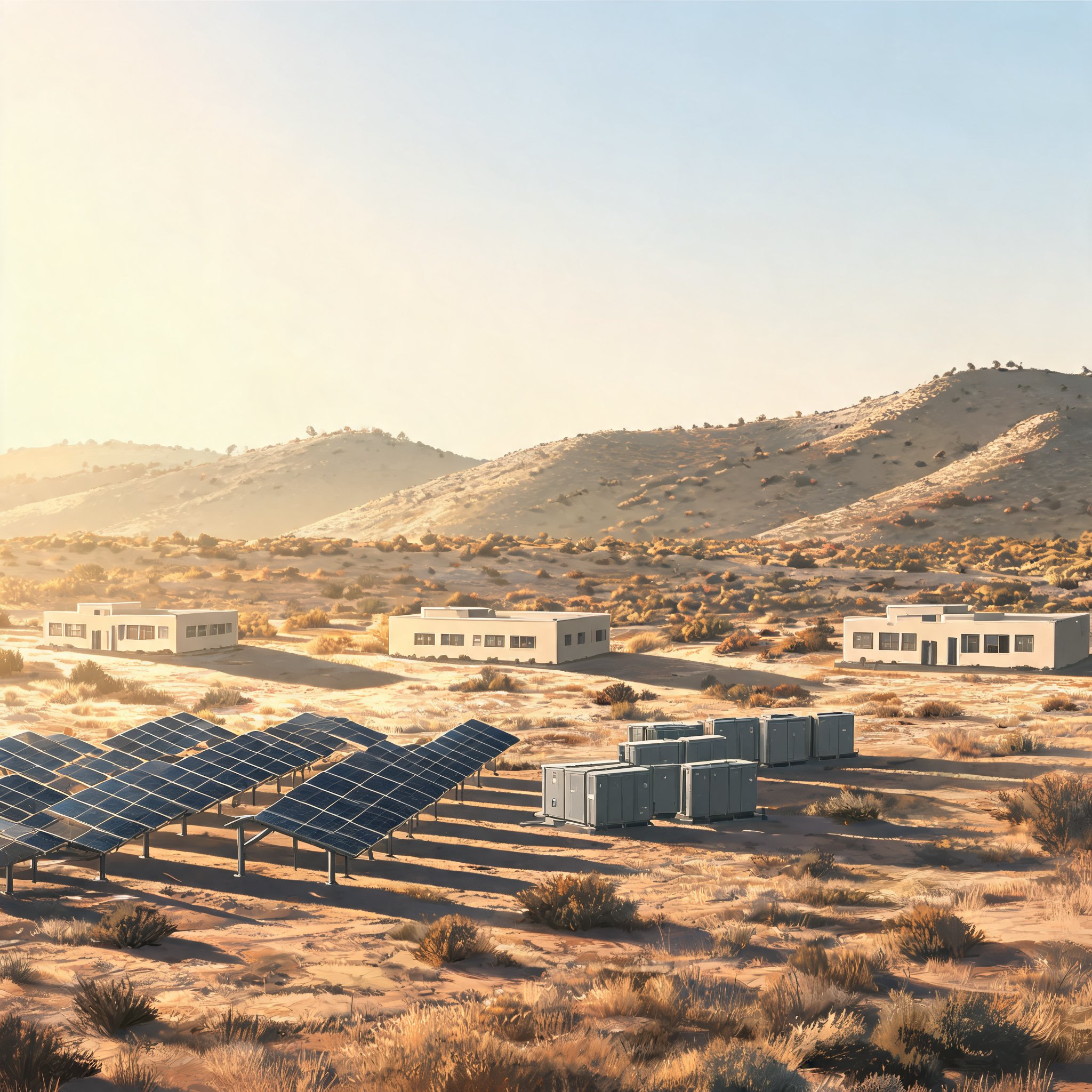
The Mesa Grande Band of Diegueño Mission Indians, working with the nonprofit Solar Electric Light Fund (SELF), has completed solar and battery storage installations at three Tribal facilities on the Mesa Grande Reservation in San Diego County, California. The Tribe described the project as the first public clean energy installation on the reservation and a further step in its long-term effort to gain greater energy sovereignty.
The systems serve the Tekamuk, Hallyeyaaw and Golden Eagle administration buildings, which the Tribe uses as civic and community hubs for government, housing services, cultural and educational activities, food distribution and emergency response. The solar arrays are designed to cover the three facilities' current electricity needs while leaving capacity for future growth. Together they are expected to produce about 60 MWh of solar electricity a year and save the Tribe at least $16,780 in annual electricity costs.
Battery storage adds resilience. It allows the administration buildings to keep operating independently of the electric grid during outages, a practical concern in a rural community where interruptions are common. Curtis La Chusa, chairman of the Mesa Grande Tribal Council, said electricity is often taken for granted until service is lost, and that outages at Mesa Grande can last for days at a time, disrupting the services the Tribe provides.
The project draws on more than two decades of Tribal efforts to expand access to reliable and affordable clean energy. Grid electricity did not reach the reservation until the 1950s, and some homes remain off the grid today, using small generators for basic needs. Mesa Grande has pursued residential solar, renewable energy planning and workforce development. Four Tribal members with prior solar installation training worked on the project.
SELF executive director Bob Freling said reliable, affordable energy can help communities invest in future needs. According to Freling, lower energy costs and stronger resilience can free up resources and provide a foundation for growth. The Tribe is also beginning work on a long-term housing and infrastructure plan that includes 1,500 new homes, intended to address affordability and supply shortages that have limited how many members can live on Tribal land. The development would include the first new housing on the reservation since 2005.
The project was funded by the William, Jeff and Jennifer Gross Family Foundation and others. For Mesa Grande, the installation is tied to a broader vision: La Chusa said the Tribe's future starts with enabling members to return home and providing spaces and services that help them thrive.