Suntory has published its first climate transition plan, setting out a route to lower emissions across its operations and supply chain while preparing for climate-related risks. The Japanese drinks group says it cut greenhouse gas emissions by 19% between 2019 and 2025.
The plan sets a 30% reduction in absolute Scope 1, Scope 2 and Scope 3 emissions by 2030 against a 2019 baseline, followed by a 90% cut by 2050. These are targets, not results already achieved. Suntory frames the goals within a wider commitment to net-zero emissions across its value chain by 2050, according to its sustainability material.
Packaging and raw materials are identified as the main contributors to the company's footprint. Suntory says packaging-related emissions fell 38% between 2019 and 2025, while raw-material emissions declined 12%. Even so, the plan gives packaging particular attention.
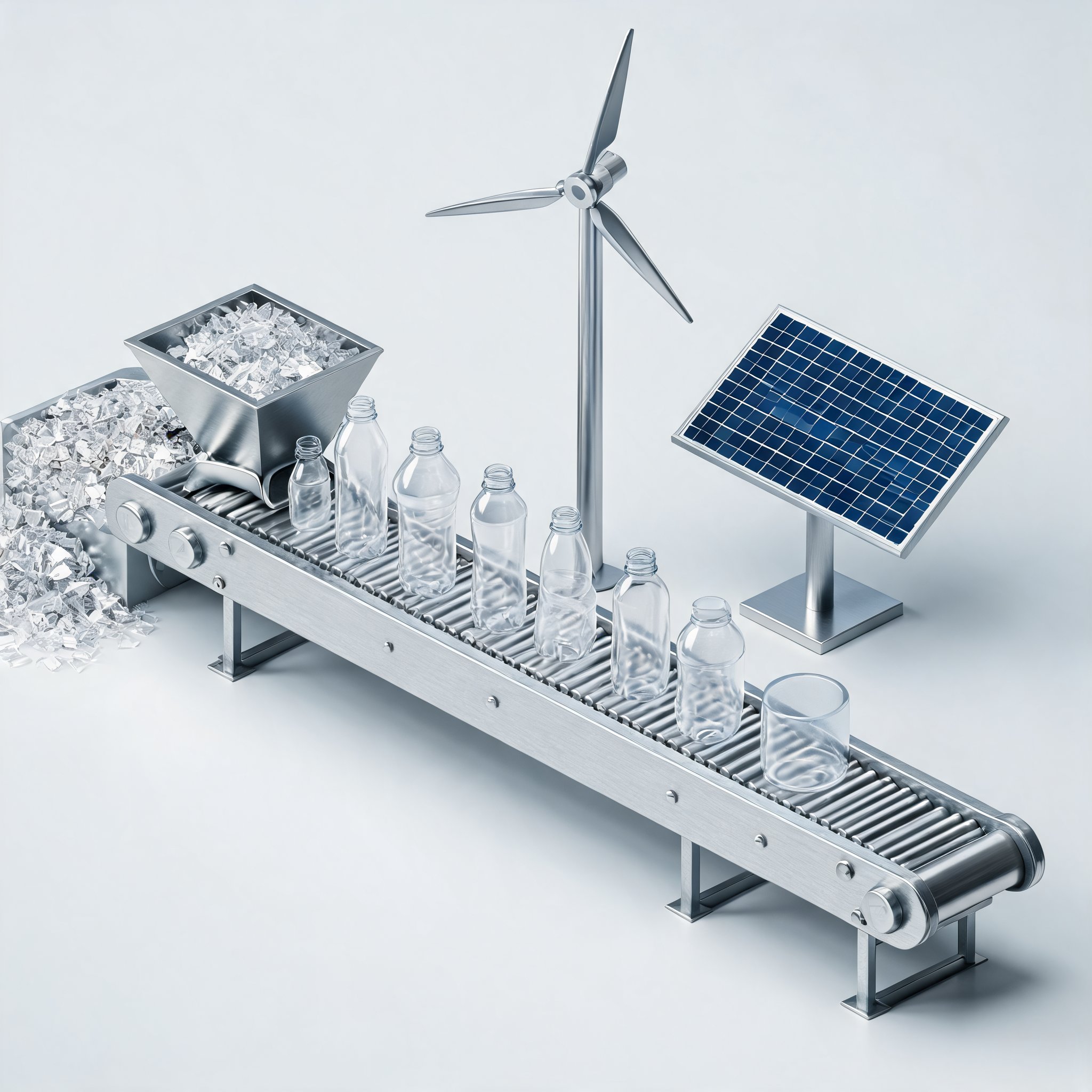
The packaging strategy includes reduced material use, higher recycled content and redesigned containers. Suntory says it wants all primary polyethylene terephthalate packaging to be either made from 100% recycled material or produced without fossil fuels. That commitment covers PET packaging specifically and is presented as an aim rather than a completed switch.
The company also points to a rise in emissions linked to co-manufactured finished products, which increased 26%. That increase underscores its reliance on suppliers and contract partners if it is to meet the group-wide targets. Suntory has engaged suppliers representing more than half of its Scope 3 emissions. It says further progress is expected to depend on changes to production methods, energy consumption and material choices across the chain.
The plan also addresses cost. Suntory estimates it will spend €185.4m, or £156m, on climate-related operating costs between 2027 and 2030. Packaging is expected to account for the bulk of that spending. The figure is an estimate for future operating costs, not a statement of spending already incurred.
The disclosure places the drinks group's climate work in the context of both direct operations and the broader value chain. Its 2030 target covers absolute emissions across all three scopes, meaning progress will depend not only on its own plants and packaging lines but also on purchased goods, materials, contracted manufacturing and other upstream and downstream activities.
Suntory's first transition plan therefore combines long-term emissions goals with nearer-term packaging changes and supplier engagement. The company reports progress since 2019, but the 2030 and 2050 targets remain ahead. Its ability to meet them will be tested by the pace of packaging redesign, the availability of recycled or fossil-free PET, and the willingness of suppliers and co-manufacturers to change production methods and energy use.