Rolling out new kitchen equipment across a restaurant chain requires more than choosing a machine and placing an order. Bryan Musgrove, divisional senior director of national accounts at TriMark USA, says operators can reduce disruption by planning for differences among locations, production timelines and delivery logistics.
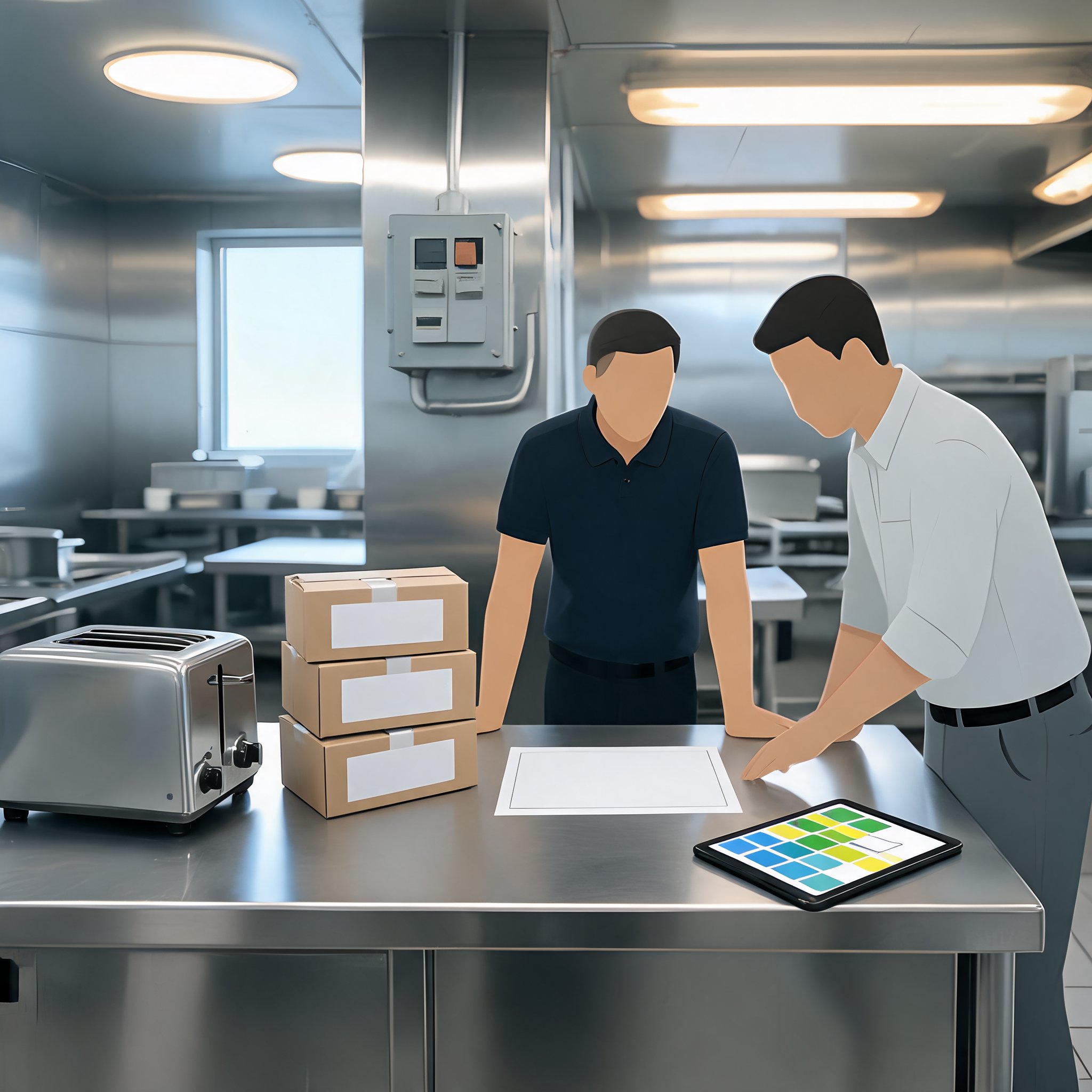
His first recommendation is to create a rollout playbook that classifies each site according to its readiness. Equipment that works in one restaurant may not fit another. In one project, TriMark worked with a brand that wanted to add toasted sandwiches to a breakfast menu that already included biscuits and wraps. The new item required toasters, but some restaurants had already reached their electrical capacity. Others, especially small mall or urban units, lacked counter space. In those cases, the operator had to free up room by adding shelving or another table, a change that could alter kitchen workflows.
A playbook can separate locations that are ready for a straightforward installation from those that need additional electrical capacity, extra space or other support. Identifying those needs early gives the operator and its suppliers a clearer view of the project's scope.
Schedule from manufacturer lead times
The second step is to build a schedule around how quickly the manufacturer can actually produce and deliver the equipment. Musgrove described a scenario in which a manufacturer says it can make 200 units. The key question is not only total capacity but timing: at 10 units per week, the order would take 20 weeks. A manufacturer might also have enough inventory for the first 50 units, then need eight weeks to obtain parts from overseas before completing the remainder.
For a menu launch tied to a season or a specific occasion, Musgrove recommends working backward from the desired launch date. That allows the operator to set a timeline that reflects production constraints rather than assuming all equipment will arrive at once.
Consolidate smallwares for delivery
Packaging is another point where a rollout can become more complicated than necessary. Instead of sending smallwares directly to each location in their original boxes, operators can ask their dealer to consolidate the items into one package per restaurant. TriMark used this approach with a brand adding macaroni and cheese to its side lineup. The new dish required visual holding cabinets, pans and serving scoops in several sizes. TriMark combined the items into a single package for each location, including instructional materials and exterior labeling so managers could see what had arrived.
Musgrove's recommendations focus on preparation rather than a single piece of equipment. A location-by-location playbook, a realistic production schedule and simpler deliveries can help a chain avoid surprises. If those steps go according to plan, the equipment can be ready for the menu launch. The intended outcome is a smoother rollout that gives the new menu item a chance to generate attention and traffic.