A joint venture involving Willmott Dixon, Cityheart and HOCHTIEF PPP Solutions (UK) has landed a long-term development partnership with Cardiff University to redevelop surplus university land and buildings.
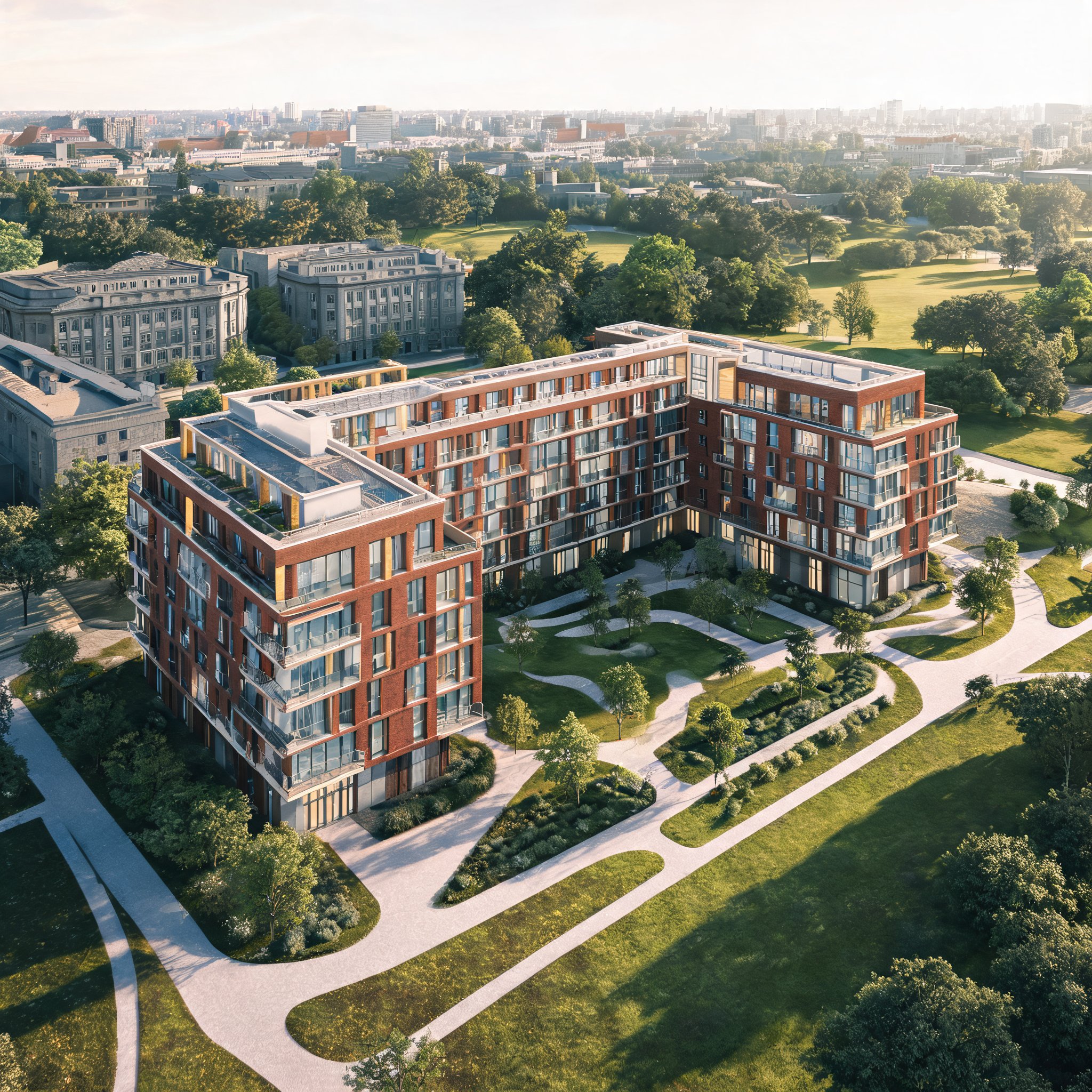
The first project is a 665-bed student accommodation scheme at Talybont. It will see the former Brickyard Business Park in Gabalfa transformed into a six-storey student housing block. The 1.5-hectare site on Bevan Place has stood vacant since its industrial buildings were demolished in 2018.
Wider estate pipeline
The bigger opportunity for the development partners is a substantial pipeline of work across the university’s wider estate. An investment prospectus published earlier this year identified around 6,000 student beds for redevelopment or refurbishment, alongside opportunities across a 320,000 sq m academic estate.
Further projects could include new teaching and research buildings, commercial space and mixed-use regeneration schemes. Cardiff University is turning to private-sector development and funding expertise to unlock its property assets and bring in extra income as it battles financial pressures.
BDP has already been appointed masterplan architect for the wider Campus Futures programme. That appointment gives the programme an overall design framework while the development partners take forward individual projects within the long-term partnership.
Chris Wheeler, national head of development at Willmott Dixon Developments, said transforming a campus of this scale required a long-term approach that turned the university’s vision into a practical and deliverable programme. He said the partners would work with Cardiff University, Cityheart and HOCHTIEF PPP Solutions (UK) to unlock opportunities across the campus, create places that support students and staff, strengthen connections with the wider community and provide lasting value for Cardiff.
The initial student housing scheme would bring a long-vacant industrial site back into use. The planned six-storey block is intended for the 1.5-hectare Bevan Place site, which has remained empty since demolition work in 2018. The scheme forms the first stage of the broader partnership, while the university’s estate review points to further redevelopment and refurbishment opportunities.
For the partners, the appeal extends beyond a single accommodation building. The prospectus’s identification of about 6,000 student beds and 320,000 sq m of academic space indicates a programme that could span teaching and research facilities, commercial development and mixed-use regeneration. Access to private-sector funding and development capacity is central to the university’s effort to bring forward those assets while addressing financial constraints.
The partnership is structured around redeveloping surplus land and buildings rather than a single construction contract. The first student housing project and the wider estate pipeline are therefore linked by the same long-term development arrangement, with BDP’s masterplan covering the broader Campus Futures programme.