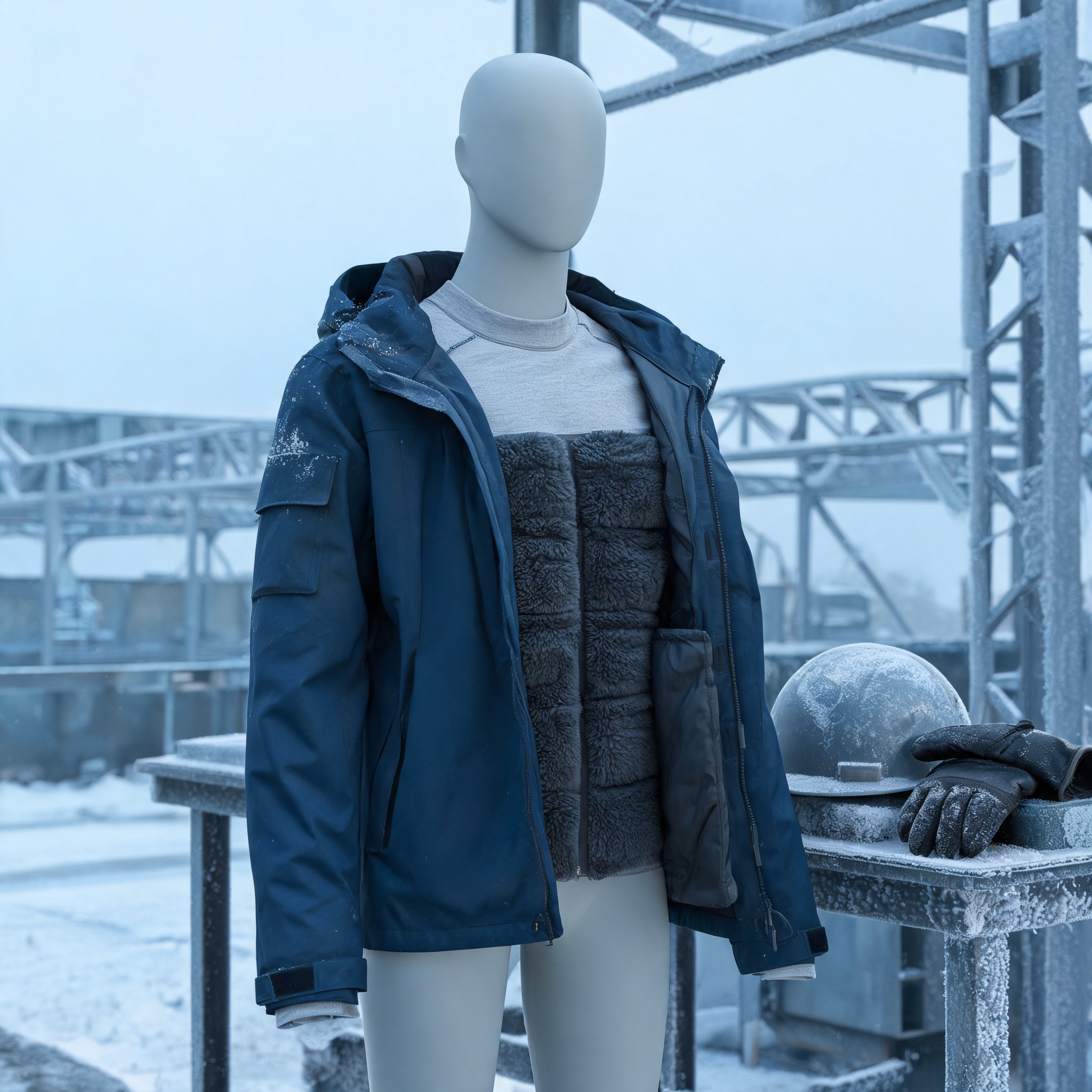
CWS Workwear International GmbH has identified five typical protection gaps that can affect personal protective equipment (PPE) during winter work outdoors. The Dreieich-based company says risks rise when PPE is selected or combined incorrectly, not only when individual garments are missing.
According to the company’s current guidance, shorter days, wet conditions and frost change the hazard situation at many outdoor workplaces. In practice, however, PPE is often not adjusted to match those changed conditions. The guidance places particular emphasis on the interaction between clothing layers.
CWS Workwear says individual items may be certified, yet the combination actually worn may fail to meet the requirements of the relevant standards. This distinction shifts attention from single garments to the complete system worn by the worker. A jacket, mid-layer, base layer, gloves or footwear can each be suitable on its own, but their combined performance in cold, wet or low-light conditions may still leave protection gaps.
The guidance identifies five typical gaps without, in the available article, itemizing each one. Its core warning is that winter PPE should be assessed as a layered combination. Certification of separate components is not, by itself, evidence that the assembled outfit meets the standards that apply to the task and conditions.